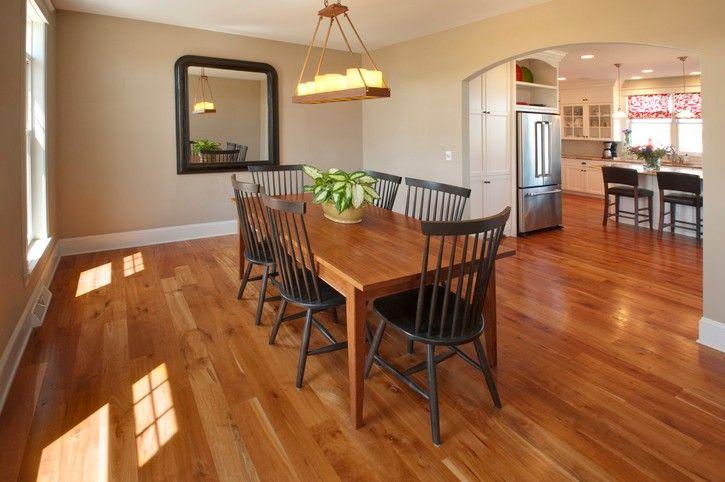
Benefits of Modified Wood for Siding, Decking, Windows, and Doors
Homeowners and building professionals constantly seek materials that withstand harsh climates without sacrificing natural beauty. Modified wood offers an exceptional solution for modern construction and design. By altering the cellular structure of natural timber, manufacturers create products that deliver outstanding performance and longevity. Reading this guide will provide you with valuable insights into how these technological advancements protect your property and elevate its overall aesthetic appeal.
What Is Modified Wood?
Modified wood undergoes a specialized treatment process to enhance its physical properties and structural stability. Manufacturers use heat, steam, or bio-based liquids to permanently alter the wood cells at a molecular level. This innovative process eliminates the need for toxic chemicals and heavy metals traditionally used in pressure-treated lumber. Industry-leading brands like Accoya, Kebony, and Thermory utilize these advanced techniques to produce exceptional building materials that respect the environment.
Understanding Durability and Weather Resistance
Evaluating the longevity of your building materials helps you make informed decisions for your exterior projects. Modified wood provides superior protection against the most severe elements. The cellular modification process significantly reduces the wood's ability to absorb water. This profound moisture resistance prevents common issues like warping, swelling, and shrinking. Consequently, you receive highly weather‑resistant decking materials that maintain their structural integrity year after year.
Benefits of Modified Wood for Siding, Decking, and Windows
Investing in premium building materials yields significant long-term advantages for any residential or commercial property. The modified wood benefits extend across various applications on your property's exterior.
- Siding: Builders rely on durable modified wood siding to protect homes from severe weather while maintaining a stunning visual profile that naturally gracefully ages over time.
- Decking: These modified boards actively resist rot, decay, and insect damage to create a safe, beautiful, and low-maintenance outdoor living space.
- Windows and Doors: Using modified wood for windows and doors ensures excellent dimensional stability. This means your fixtures will open and close smoothly regardless of extreme seasonal temperature changes.
Quick Comparison: Modified Wood vs. Other Materials
Selecting the right product requires looking at performance metrics, maintenance requirements, and environmental impact. Modified wood stands out as a superior choice when placed alongside traditional building options.
- Traditional Untreated Wood: Standard timber requires frequent staining, sealing, and painting to prevent rot. Modified options need minimal maintenance to retain their strength.
- Composite Materials: While composite boards resist weather, they often lack the authentic look and tactile feel of real wood. Modified wood offers genuine natural beauty with comparable or superior durability.
- Plastic and Vinyl: Synthetic alternatives can become brittle or fade over time due to UV exposure. Modified timber remains strong, resilient, and structurally sound under direct sunlight.
Common Uses for Modified Wood
Architects and builders utilize these long‑lasting exterior wood materials across a wide range of demanding projects. The impressive versatility of the product makes it perfectly suitable for both high-end residential and commercial applications.
- Exterior residential cladding and commercial building facades
- Custom backyard decking, public boardwalks, and marine structures
- Precision-crafted frames for exterior windows and patio doors
- Outdoor structural furniture, pergolas, and decorative landscaping features
- FAQs About Modified Wood
What Makes Modified Wood Eco-Friendly?
The modification process uses natural heat or bio-based liquids instead of toxic chemical preservatives. This sustainable approach protects the surrounding soil and groundwater while delivering exceptional high-performance results.
How Long Does Modified Wood Last?
These premium materials often carry manufacturer warranties ranging from 30 to 50 years. Their permanent resistance to fungal rot and wood-boring insects ensures decades of highly reliable service.
Does Modified Wood Require Heavy Maintenance?
You only need to clean the surface periodically with mild soap and water to remove surface dirt. Unlike traditional raw timber, it does not require regular chemical treatments or intensive sanding to maintain its durability.
Partner With Our Building Professionals Today
Selecting the perfect materials ensures the ultimate success and longevity of your upcoming building project. Our team of building science experts brings decades of combined industry experience to guide you through your premium material options. We proudly offer top-tier products to help you achieve your architectural vision with absolute confidence. Please fill out our contact form or call us to speak with our professional team today.
- Log in to post comments